Still Living Out of Boxes? Why Unpacking Into a New Home Takes More Than Moving Day
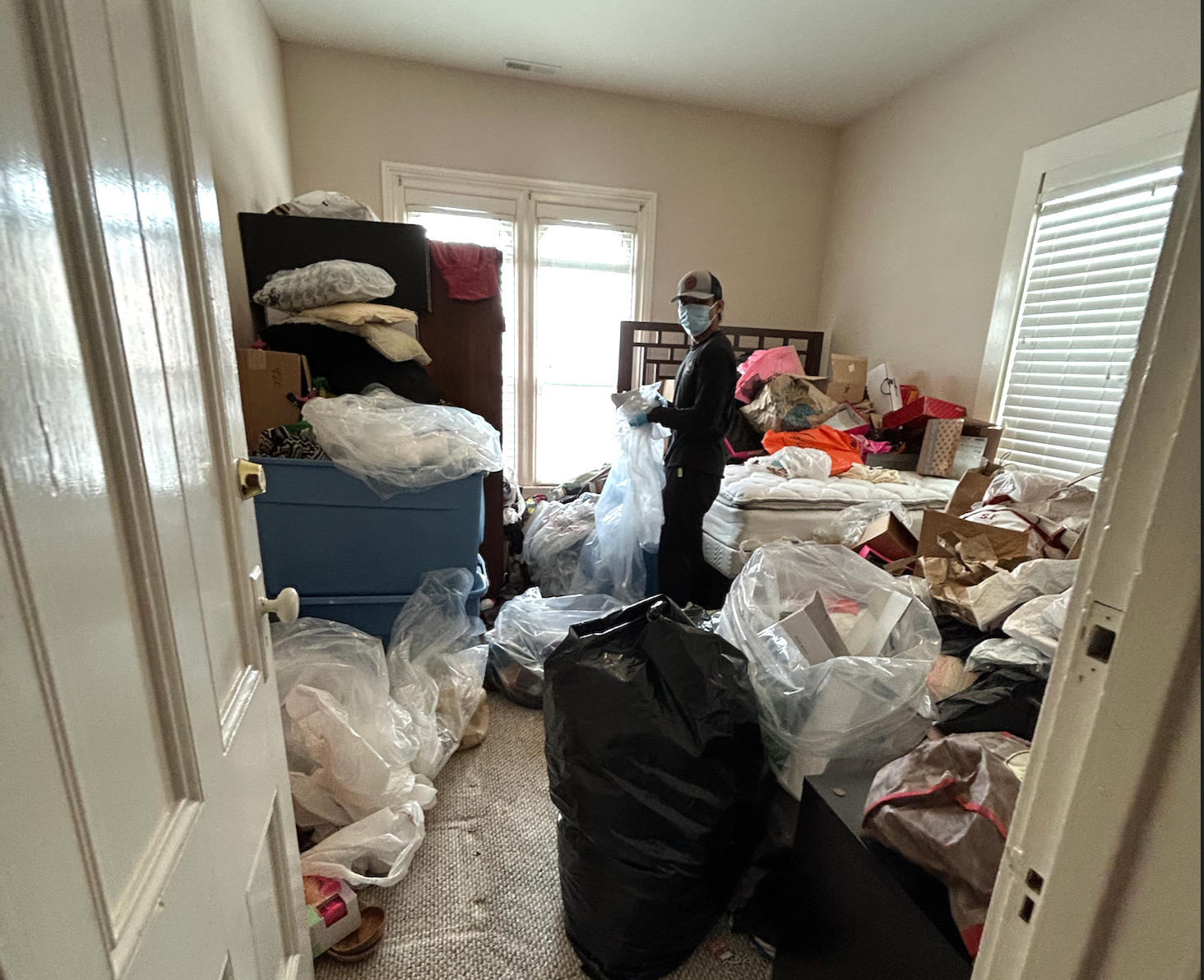
Moving into a new home is exciting, but it's not always as straightforward as getting everything out of boxes and putting it away.
One of the things we often see when helping clients unpack is that the furniture, belongings and storage systems that worked perfectly in their previous home don't necessarily translate into their new space.
We recently worked with a family who relocated from Dallas, Texas, to the East Bay. They had moved from a more modern home into an older property with a completely different layout. They had some beautiful, generously sized furniture, but the proportions and configuration of the rooms meant that not everything worked as they had imagined.
It's a common challenge, particularly here in the Bay Area, where homes can vary considerably in age, layout and available storage.
Sometimes it's a kitchen with fewer cabinets than you're accustomed to. Other times it's a bedroom without adequate closet space, or a garage that can't accommodate everything you had previously stored.
And while it's tempting to try to make everything fit, sometimes the better approach is to reconsider what you really need and how you want your new home to function.
At Organize My Place, we approach unpacking as more than simply emptying boxes. It's about helping clients settle into their homes, making thoughtful decisions about their belongings and creating practical systems that work for the way they live.
And that doesn't always happen in one day.
We often start by getting the essentials unpacked and the household functioning. From there, we can revisit particular spaces, explore storage solutions and make adjustments as clients get a better feel for their new home.
The goal isn't to have everything looking perfect on moving day. It's to create a home that's comfortable, functional and easier to maintain long after the last box has been unpacked.
Why moving into a new home can be harder than expected
One of the most common challenges is moving from a larger home into a smaller property, or even moving between homes with similar square footage but completely different layouts. The new home doesn't function like the old one, and boxes linger not because people are procrastinating, but because they are working through decisions about what to keep, where things should go, and what storage the new space actually needs.
When your furniture and belongings don't fit your new space
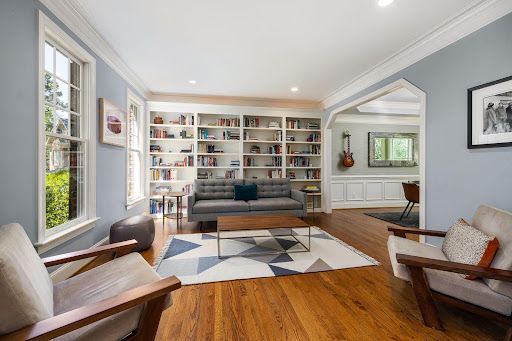
A large sectional sofa or oversized dining table may have worked beautifully in the previous property but could dominate the available floor space in the new one. Sometimes the solution isn't trying to squeeze everything in. It may involve reconsidering furniture placement, repurposing rooms, or deciding whether certain pieces are still practical.
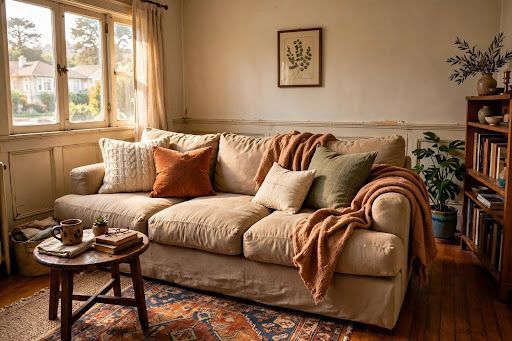
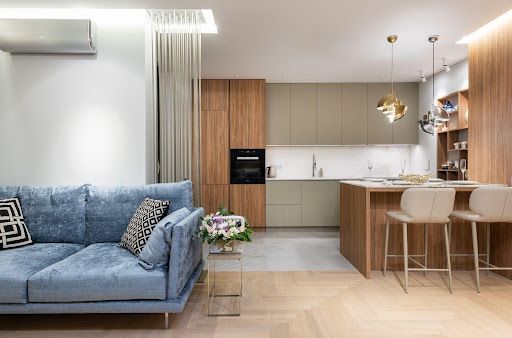
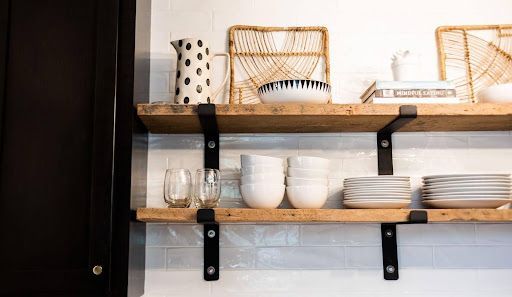
Kitchens and closets are often the biggest surprises. The new home may have fewer cabinets, different drawer configurations, awkward corner cupboards or limited pantry space. A client may be accustomed to a large walk-in wardrobe but find themselves moving into a property with smaller reach-in closets and limited built-in storage. Rather than trying to recreate the previous setup, we help clients explore different ways of organizing their belongings to suit the new space.
Garages aren't always the storage solution people expect either. In parts of Oakland and Berkeley, older homes may have small, detached, single-car or tandem garages, sometimes with limited shelving opportunities. What worked in a large suburban garage may not be practical here.
Planning your new home before moving day
One of the benefits of working with a professional organizer before a move is the opportunity to plan how the new home will function. Where available, we can review the property's Zillow listing, real estate photographs, floor plans and other information to get an initial understanding of the layout and storage opportunities.
We can then work with clients to identify how they'd like to use each room. Will the additional bedroom become a home office, children's bedroom, guest room or home gym? Will the formal living room be used for entertaining, or repurposed as a family room? Which furniture pieces are best suited to each room, and where will seasonal items and sports equipment be stored? Is the garage intended primarily for parking, for storage, or a combination of both?
These conversations help us establish a room-by-room plan before moving day, and a labelling system that corresponds with the new home's layout — Kitchen: Everyday Dishes; Primary Bedroom: Clothing; Home Office: Desk Equipment. Rather than movers placing boxes wherever there's space, boxes and furniture go into their intended rooms. The last thing we want is for the garage to become the catch-all for everything that doesn't have an obvious place. Not only does that create additional work later, it can also mean belongings being handled multiple times. A property listing provides a useful starting point, although measurements and furniture placement should be confirmed before final decisions are made.
The unique challenges of unpacking in older East Bay homes
Older Craftsman homes, bungalows and historic properties in Oakland, Berkeley and the East Bay can offer beautiful architectural details but also present storage challenges: smaller closets, compartmentalized floor plans, limited pantry storage, narrow access points and smaller garages dating from the 1920s and surrounding decades. Furniture that worked in a large, modern home may not suit the proportions of an older property.
In the South Bay — San Jose, Sunnyvale, Los Gatos and Saratoga — some newer homes may have more open-plan layouts and larger garages, but that doesn't automatically mean they're easier to organize. Large open spaces can require thoughtful furniture placement and clearly defined zones for working, relaxing, entertaining and family activities. These are common examples rather than characteristics of every property in each area.
Why decluttering before moving can save time and money
We strongly recommend reviewing and decluttering belongings before packing whenever possible. There's little benefit in paying to pack, transport, unload and unpack items that clients already know they no longer want or need. A pre-move decluttering process can potentially reduce packing labour and time, the number of moving boxes required, packing supplies and materials, the volume of belongings being transported, moving labour and potentially truck space, and storage requirements and associated costs. The savings will depend on the moving company's pricing and the volume of belongings removed, but clients also arrive at their new homes with fewer unnecessary belongings and fewer decisions to make. If you are not sure where to start with that edit, our guide to intentional decluttering walks through how we approach those decisions.
What professional unpacking and move management actually involve
Professional unpacking is more than simply opening boxes. Depending on the client's needs, Organize My Place can support different stages of the relocation process.
Stage 1 — Pre-move decluttering and planning
We help clients review belongings, identify items for donation or disposal, consider furniture suitability and plan how the new home will function. This may include reviewing property listings, discussing room allocation, planning storage requirements and establishing packing and labelling systems.
Stage 2 — Moving-day coordination
Where we're engaged for move management, we can assist with on-site coordination, furniture placement, box labelling and directing belongings into their designated rooms. The aim is to help reduce confusion and unnecessary reshuffling.
Planning a move in the Bay Area? Inquire for a quote and we can talk through which stages would help.
Stage 3 — Initial unpacking and home setup
Our first priority is generally to get the household functioning. This may involve unpacking everyday essentials, setting up the kitchen, organizing bedrooms and bathrooms, and making frequently used belongings accessible. The order will depend on the household's needs and priorities — for some families the children's bedrooms may take precedence, for others the kitchen or home office. We don't believe every household needs to follow exactly the same unpacking sequence.
Stage 4 — Refining storage and organization
Once the initial unpacking is complete, we can revisit particular spaces and identify opportunities for improvement: additional shelving, drawer organizers, closet systems, pantry storage solutions, under-bed storage, garage shelving, multipurpose furniture, or a better use of existing cabinets and storage areas. We generally recommend understanding the space and its practical requirements before purchasing large quantities of organizing products. Sometimes the most effective solution isn't buying more storage. It's making better use of the space, or reducing the volume of belongings.
Stage 5 — A second round of decluttering
Once clients have lived in their new home for a little while, they may have a better understanding of what works and what doesn't. A large sofa might be taking up too much of the living room, or additional kitchenware may no longer be practical given the available cabinet space. A second round of decluttering allows clients to make more informed decisions based on how they're actually using their new home. Not every client requires all five stages or multiple visits — we can tailor our support depending on whether they need help with the entire move or just a particular part of the process.
Why organizing your new home may take more than one visit
The initial priority is getting the household functioning, followed by further organizing, storage improvements and decluttering once clients have settled in and understand how they actually live in the space. That staged approach is the difference between a home that was unpacked quickly and a home that works.
Seven tips for making your new home functional from day one
1. 📦 Declutter before you pack. Review belongings before moving day and avoid paying to transport items you already know you don't need.
2. Measure your new space. Don't assume furniture will fit simply because the new home has similar square footage. Consider room proportions, doorways, staircases, traffic flow, and the space needed to move comfortably around furniture.
3. Decide how you'll use each room. Review the floor plan and establish a purpose for each room before moving day. This helps with furniture placement, labelling, and directing boxes to their intended destinations.
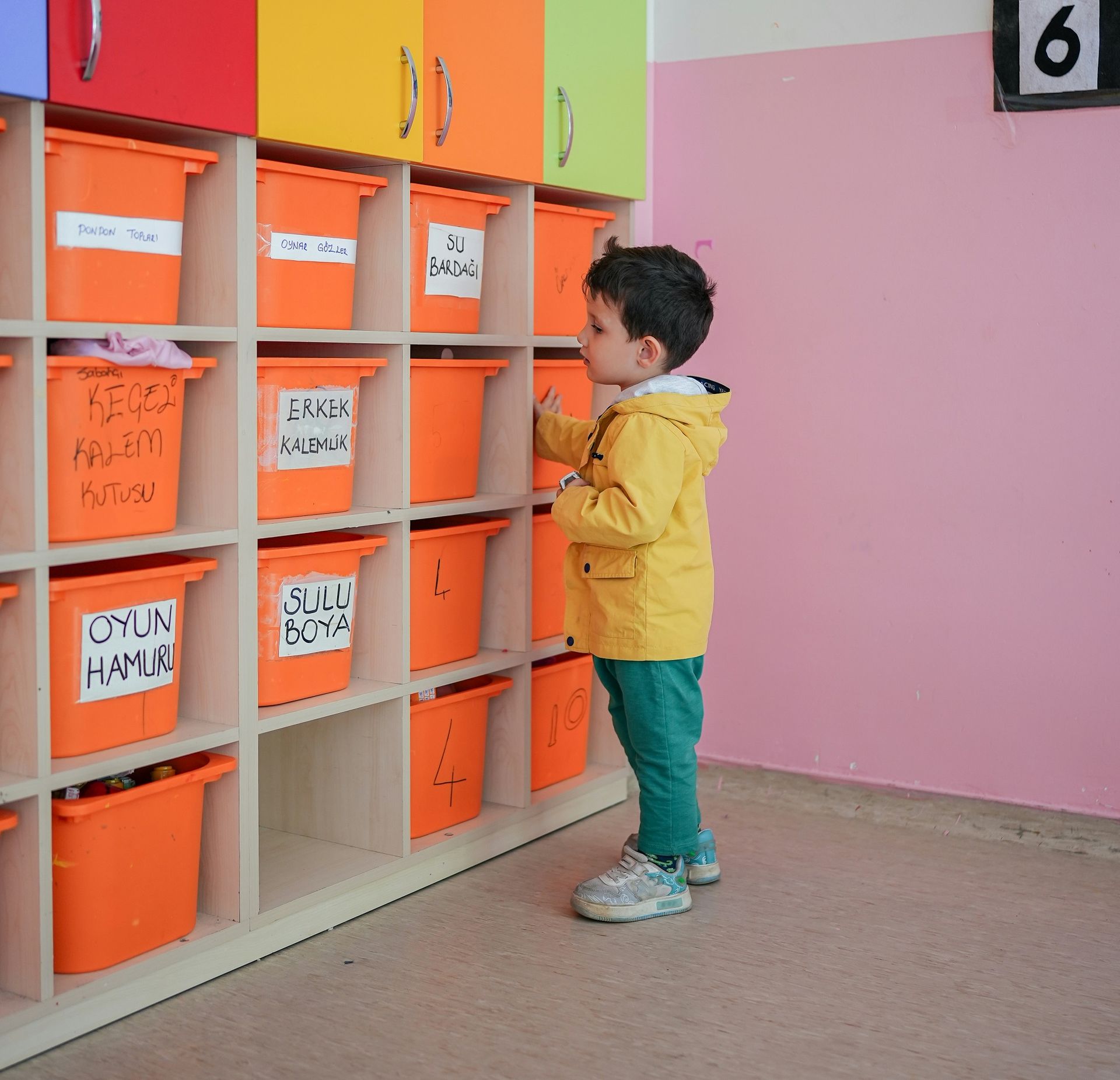
4. Label boxes by room and priority. Specific labels are much more useful than generic descriptions. 'Kitchen — Everyday Dishes' is more helpful than simply 'Kitchen.'
5. Don't try to recreate your old home. The systems that worked in your previous kitchen, bedroom or garage may not translate into your new property. Be open to approaching the space differently.
6. Prioritize functionality before perfection. Focus on getting the household operational first. You don't necessarily need a perfectly organized pantry or closet on the first day.
7. Revisit your organization after settling in. Once you've lived in the space, you'll have a clearer understanding of your routines, storage requirements and what you genuinely need. This is a good time to refine systems and reconsider belongings that no longer work.
Want a hand getting your own home functional from day one? Book a free consultation.
How Organize My Place can help you settle in
Organize My Place provides more than basic unpacking services. We can support clients before, during and after their move, from decluttering and planning through to move management, unpacking and refining their home's organization, across Oakland, Berkeley and Walnut Creek in the East Bay, San Jose and the South Bay, San Francisco, the Peninsula and the broader Bay Area. Our approach is collaborative and practical — we don't believe in rushing clients into purchasing unnecessary storage products, or forcing belongings into spaces that don't function well. The goal isn't simply to unpack everything. It's to help clients feel settled and create a home that works for them.
If you are still living out of boxes, or a move is coming and you would rather plan it properly from the start,
book a free consultation and tell us about the home you're moving into.