How a Professional Home Organizer in the SF Bay Area Can Transform Your Space
There is a particular kind of frustration that comes from living in a home that feels perpetually cluttered.
It may not look chaotic at first glance. The kitchen counters are mostly clear. The living room is reasonably tidy.
The closets close, if you push them hard enough.
But somehow, everyday life still feels harder than it should.
You spend ten minutes looking for something you know you own. The junk drawer has become a collection of objects with no obvious purpose. A closet is packed with clothes but somehow never has anything to wear. The garage has gradually turned into storage for things you might need "someday."
This is where professional home organizing becomes less about making a room look neat and more about changing how a home actually works.
For homeowners in the Bay Area, where space can be expensive and square footage is often limited, thoughtful organization can have an especially noticeable impact. A well-designed system can make a small kitchen feel more functional, turn an overstuffed closet into usable storage, and make daily routines significantly easier.
But what does a professional organizer actually do differently from simply cleaning or decluttering on your own?
The answer has a lot to do with systems, decisions, and the way people use their homes.
Organization Is About More Than Getting Rid of Stuff
One of the biggest misconceptions about professional organizing is that the goal is simply to throw things away. Decluttering is certainly part of the process, but it is only one piece of it. A professional organizer looks at the relationship between your belongings and your routines.
Where do you naturally drop your keys when you walk through the door? Where do you sort mail? Which kitchen items do you reach for every morning? What happens to laundry when it comes out of the dryer? Where do children's backpacks end up after school?
These seemingly minor habits provide important clues. An organizing system that ignores those habits may look beautiful on the day it is installed but quickly fall apart. A system that works with them is much more likely to stick.
Think of it this way: organization isn't about forcing yourself to become a different person. It's about designing your space around the way you actually live.
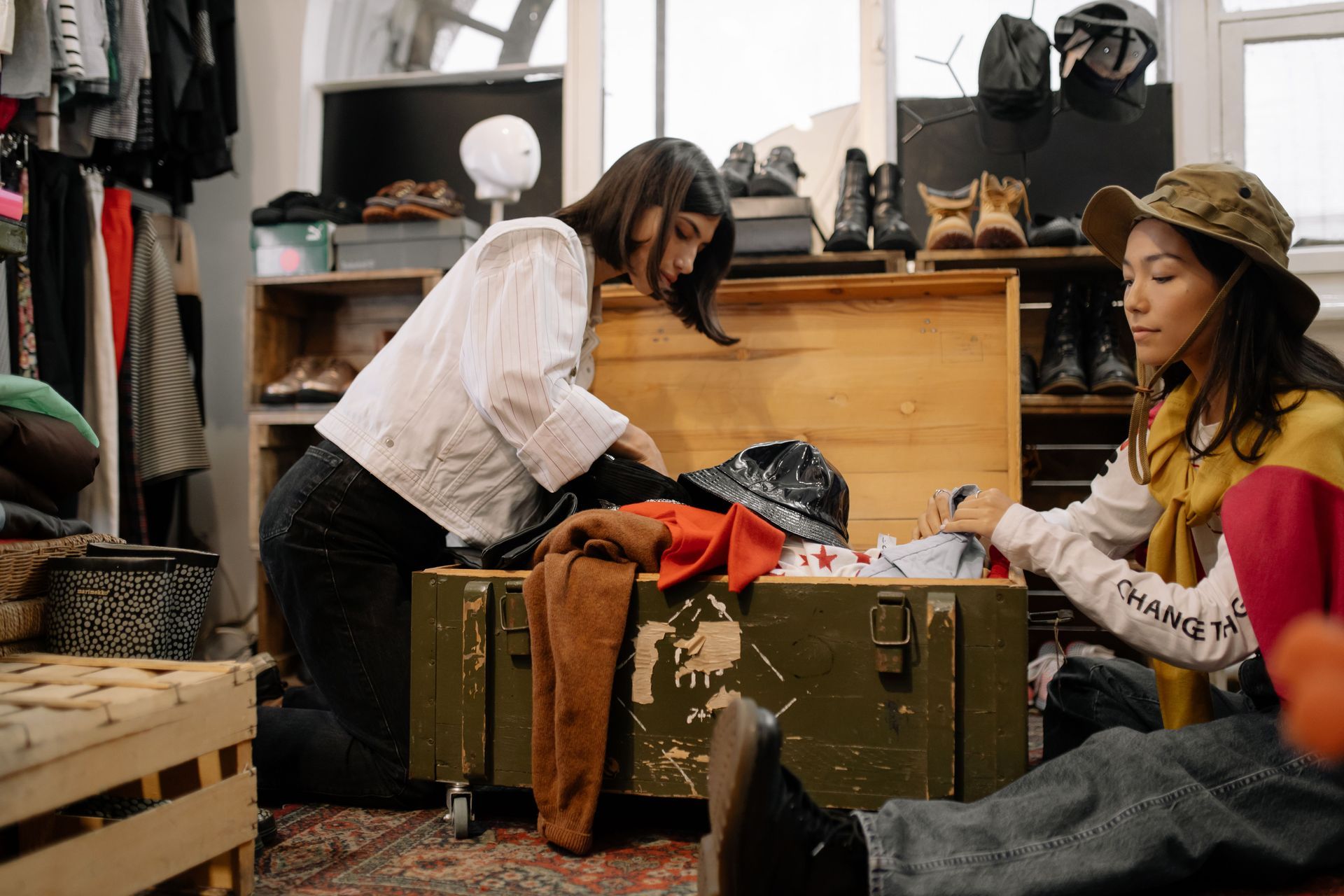
Why Bay Area Homes Present Some Unique Organization Challenges
San Francisco and the surrounding East Bay have a distinctive mix of housing styles.
You might find a compact city apartment, a historic San Francisco home with limited built-in storage, a contemporary condo, or a larger suburban home with a garage that has accumulated years of belongings.
Each presents different organizational problems.
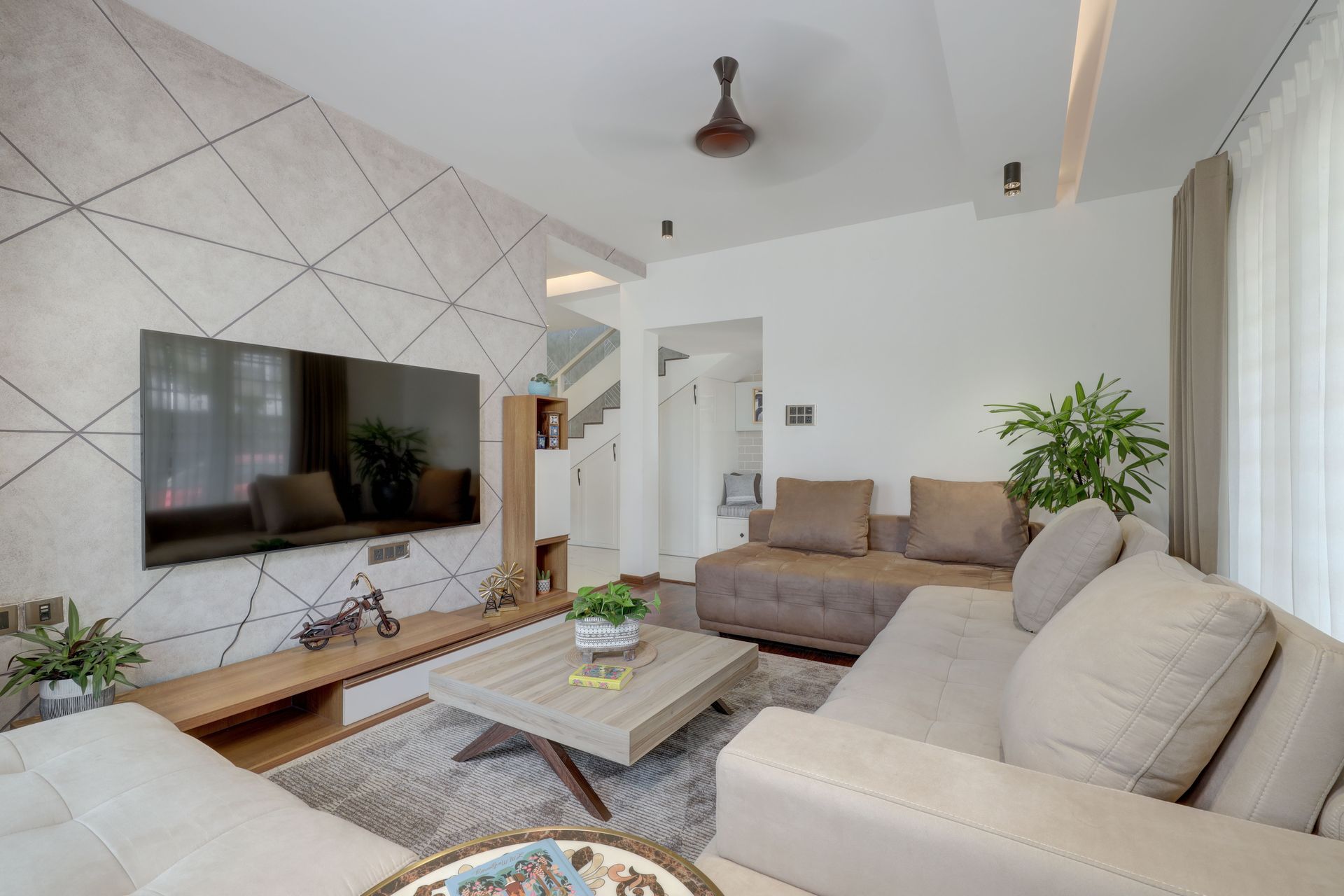
Small Spaces Require Better Decisions
When storage is limited, every square foot matters.
A crowded cabinet isn't just inconvenient. It can make it difficult to access the things you use most often. An overfilled closet can make getting dressed feel like a daily excavation project.
In smaller homes, organization often depends on using vertical space, improving accessibility, grouping items intelligently, and eliminating unnecessary duplication.
The objective isn't necessarily to own less. It's to make better use of the space you already have.
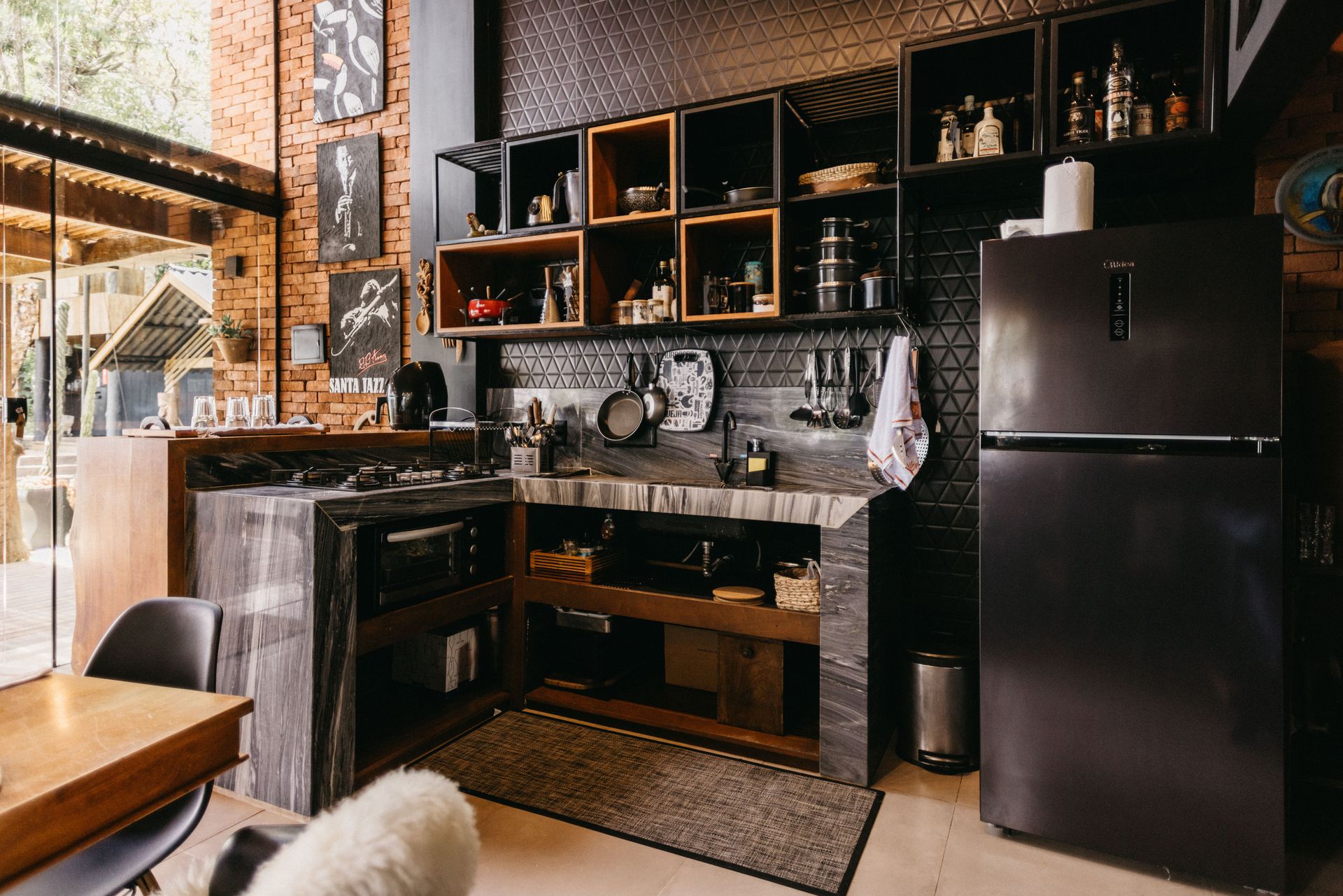
Older Homes Can Have Unpredictable Storage
Some San Francisco homes were designed long before today's storage expectations.
That can mean awkward closets, narrow cabinets, limited pantry space, or rooms that serve several purposes at once.
Rather than trying to fit a generic organizing solution into an unusual space, professional organizing often involves figuring out how to make the existing architecture work harder.
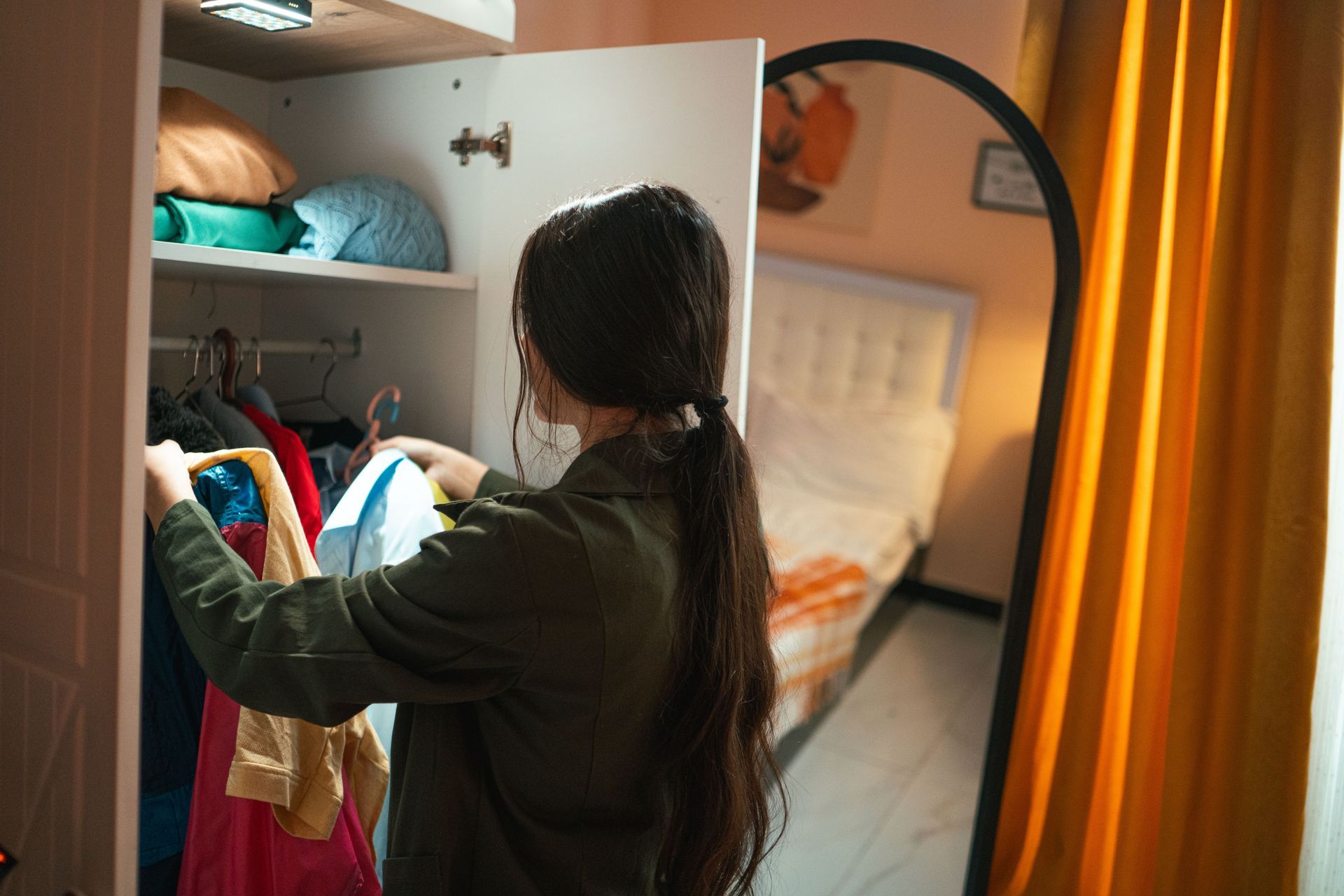
Busy Households Create Organizational Friction
The more people who share a home, the more complicated organization becomes.
One person's system can quickly become another person's obstacle.
A successful household system needs to be intuitive enough that everyone can participate. That could mean clearly defined drop zones, accessible storage for frequently used items, labeled categories, or dedicated spaces for things that tend to migrate around the house.
The goal is not perfection.
It's less friction.
What a Professional Organizer Sees That You Might Not
When you've lived in the same home for years, it's surprisingly difficult to see your belongings objectively. That isn't a personal failure. Familiarity changes the way we perceive our surroundings. A professional organizer brings an outside perspective.
They can help identify patterns such as:
- Items being stored far from where they are actually used
- Multiple storage areas containing the same category of belongings
- Cabinets filled with things that are rarely accessed
- Valuable storage space being used inefficiently
- Categories that don't have a clearly defined "home"
- Items being kept because of guilt, uncertainty, or an imagined future need
- Organizational systems that require too many steps to maintain
That last point is particularly important. A system with five steps may technically work, but a system with two steps is more likely to survive a hectic Tuesday evening.
Good organization accounts for human behavior.
The Transformation Often Starts With a Single Problem Area
You don't necessarily need to reorganize your entire home. In fact, starting with one troublesome space can be much more effective. Perhaps the entryway is constantly collecting shoes, bags, packages, and mail. Or maybe the kitchen has become difficult to cook in because every cabinet is packed. Maybe the primary closet is so crowded that clothing is spilling into the bedroom.
A professional organizer can start by asking a deceptively simple question:
What is making this space difficult to use?
That question shifts the conversation away from appearance and toward function. From there, the process typically involves sorting what belongs, deciding what doesn't, determining what should be accessible, and creating a logical home for the things that remain.
The result isn't simply a cleaner room.
It's a room that makes more sense.
The Difference Between Cleaning and Organizing
Cleaning and organizing are often treated as interchangeable, but they solve different problems.
Cleaning addresses things like:
- Dust
- Dirt
- Spills
- Surfaces
- Sanitation
Organizing addresses things like:
- Where belongings live
- How categories are grouped
- How easily items can be accessed
- What should be kept
- How storage is used
- How a space supports daily routines
You can have an immaculate kitchen that is still poorly organized.
Every surface might be spotless, yet the baking supplies could be scattered across three cabinets, food storage containers might be missing their lids, and frequently used appliances could be buried behind things you rarely touch.
Organization asks a different question:
Can you use this space easily?

A Good Organizing System Should Make the Right Thing Easier
This is one of the most useful principles in residential organizing.
If you want something to happen consistently, the environment should make that behavior easy.
For example, if shoes constantly pile up near the front door, the answer may not be reminding everyone to put their shoes away.
The better question is: Where would shoes naturally go if putting them away required almost no effort?
The same principle applies throughout a home.
If paperwork accumulates on the kitchen counter, perhaps the household needs a simple mail-processing station.
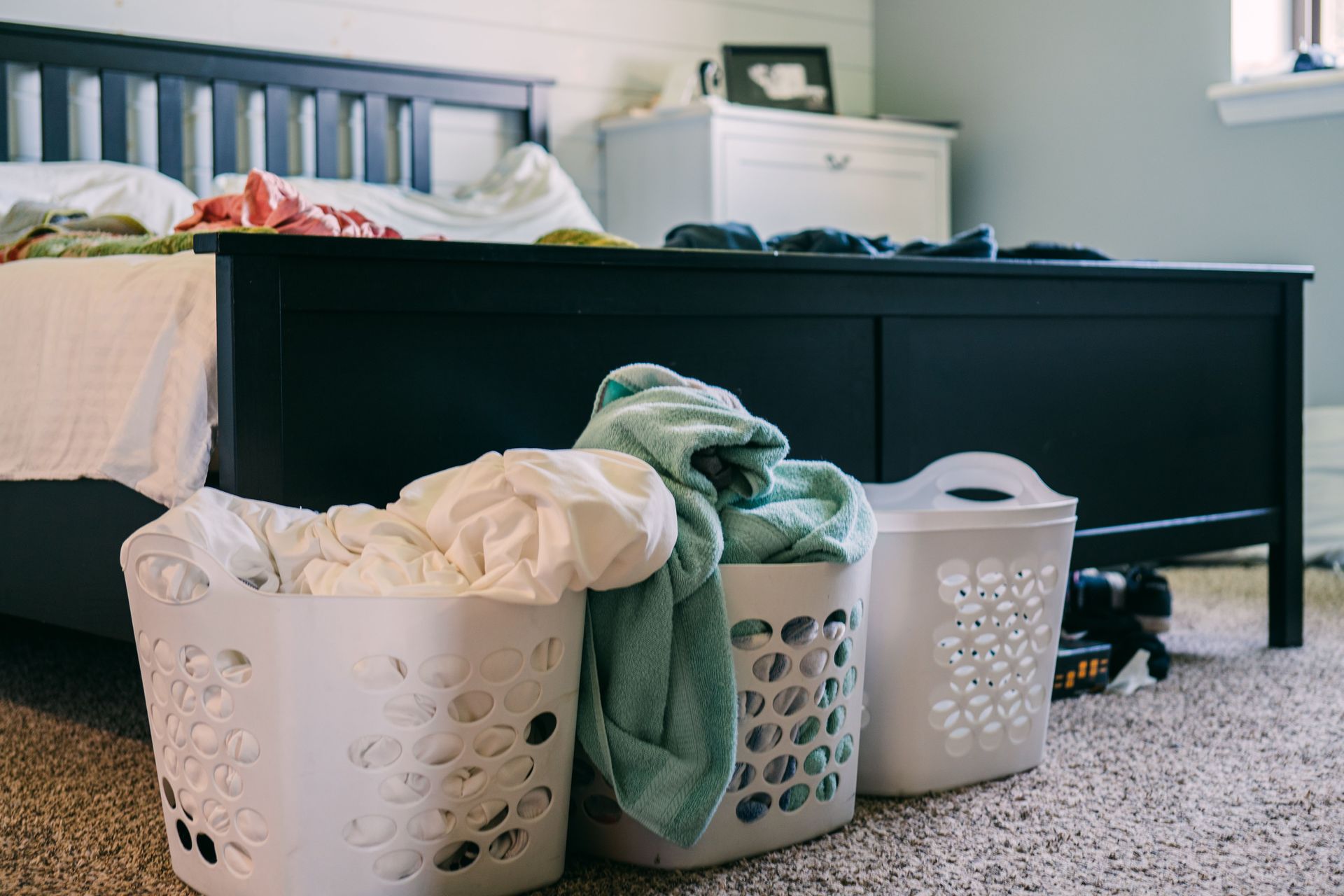
If clean laundry routinely stays in baskets for days, the issue may be that clothing storage is too difficult to access.
If pantry items constantly spill onto the counter, the problem could be that the existing categories don't match the way the household shops and cooks.
Organization becomes much more effective when it removes obstacles rather than relying on willpower.
What Residential Organizing in San Francisco Can Look Like
Residential organizing San Francisco homeowners need can vary dramatically from household to household.
One person may need help creating order after a move.
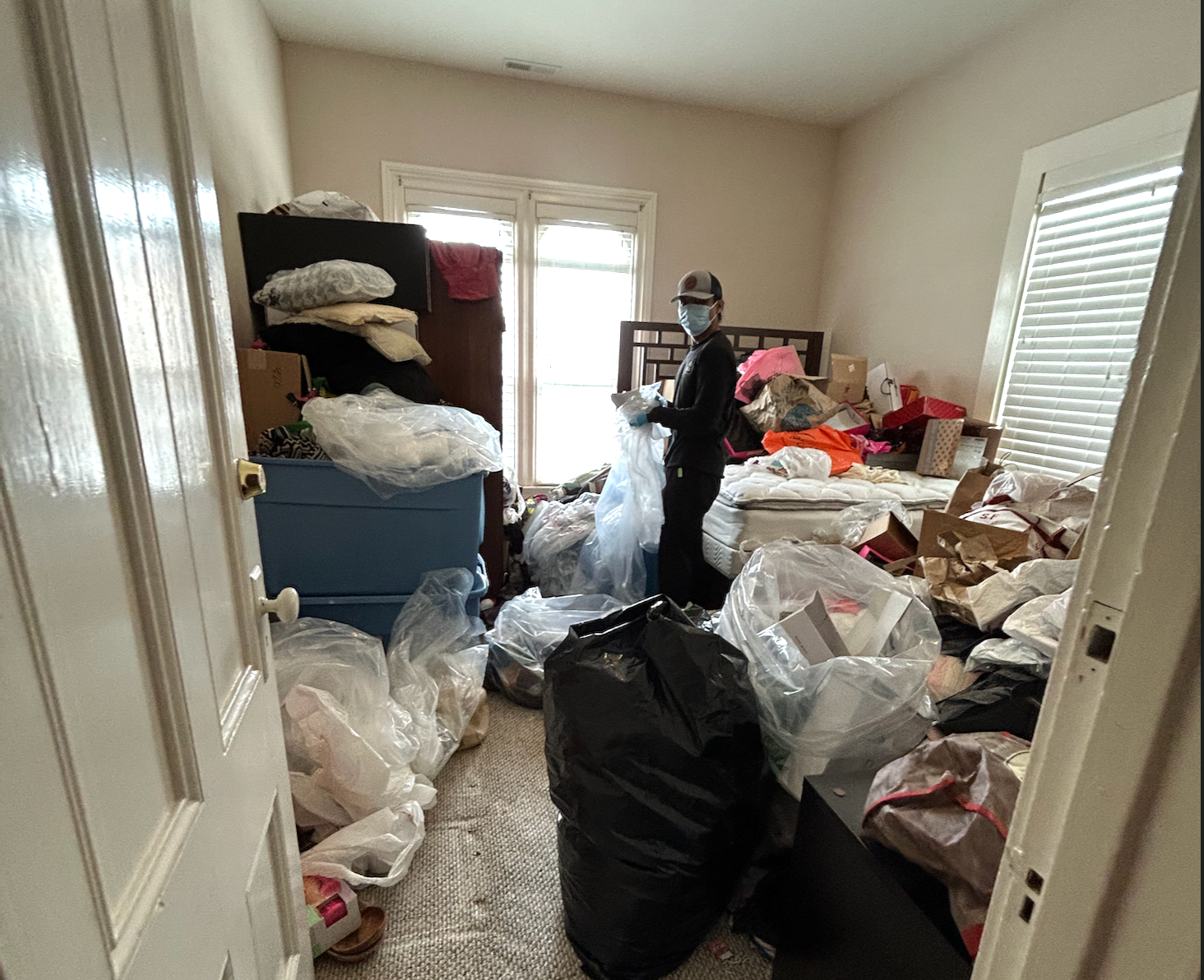
Another may be overwhelmed by years of accumulated belongings.
A growing family may need systems that can adapt as children get older.
Someone preparing for a downsizing move may need help deciding what deserves valuable space in their next home.
And sometimes, there is no major life event at all.
The home simply stopped working.
That distinction matters because there is no universal organizing formula.
A kitchen organizing system designed for someone who cooks every night should look different from one designed for someone who primarily uses the kitchen for quick meals.
A home office for a remote professional will have different requirements than a spare bedroom that doubles as an occasional workspace.
The best organizational system is the one that reflects the person using it.
Why Decluttering Can Feel Surprisingly Difficult
The physical act of sorting belongings is often easier than making the decisions.
Should you keep the dress you haven't worn in three years?
What about the appliance that you might use one day?
How many sets of dishes does a household realistically need?
What should happen to sentimental objects?
These decisions can become emotionally complicated.
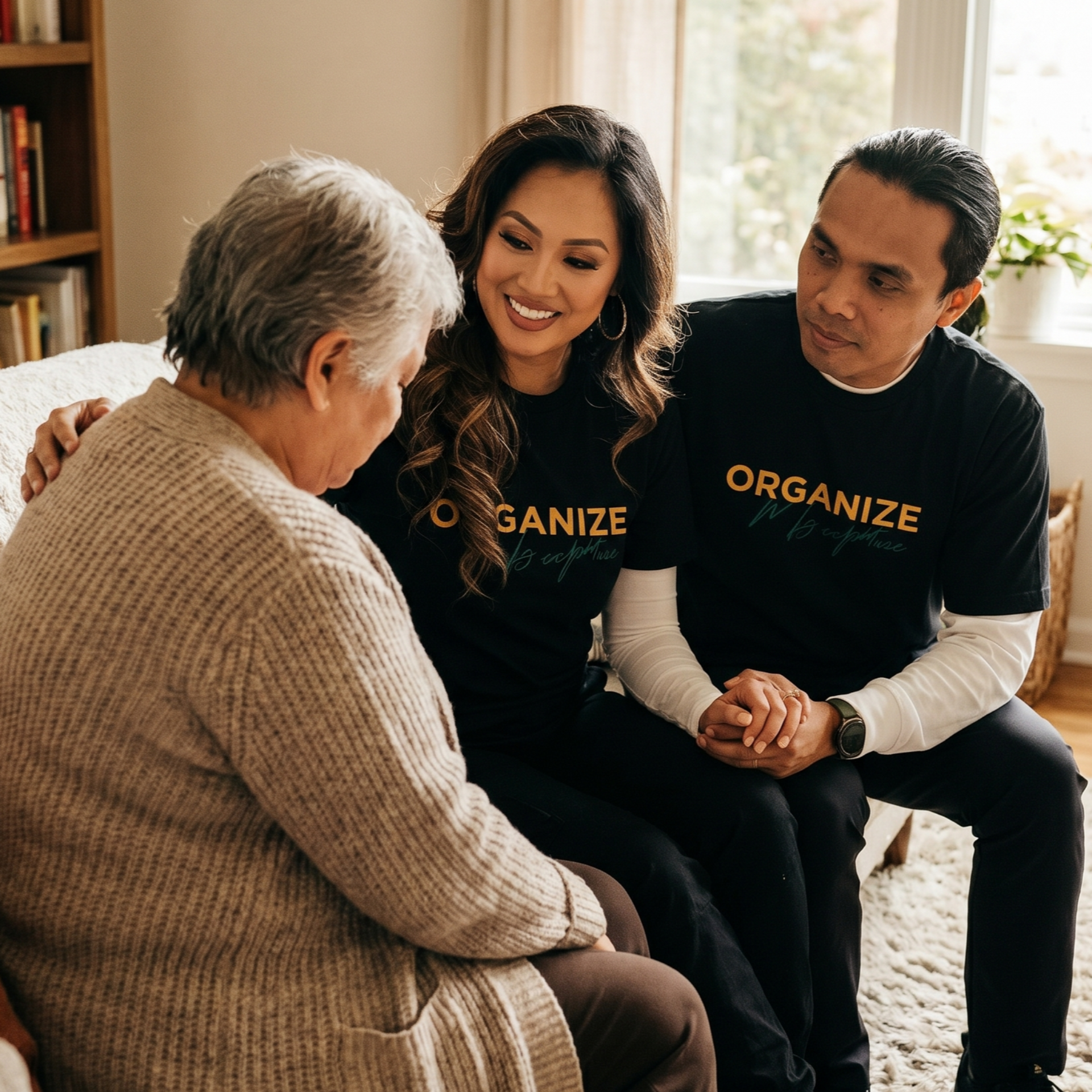
A professional organizer isn't there to dictate what you should keep. A thoughtful organizing process creates space for those decisions without judgment.
That can be especially valuable when belongings are connected to memories, relationships, major life transitions, or expectations about who we think we should be.
Sometimes the most useful question isn't:
"Have I used this recently?"
It might be:
"Is keeping this worth the space and attention it requires?"
That small shift can lead to much more thoughtful decisions.
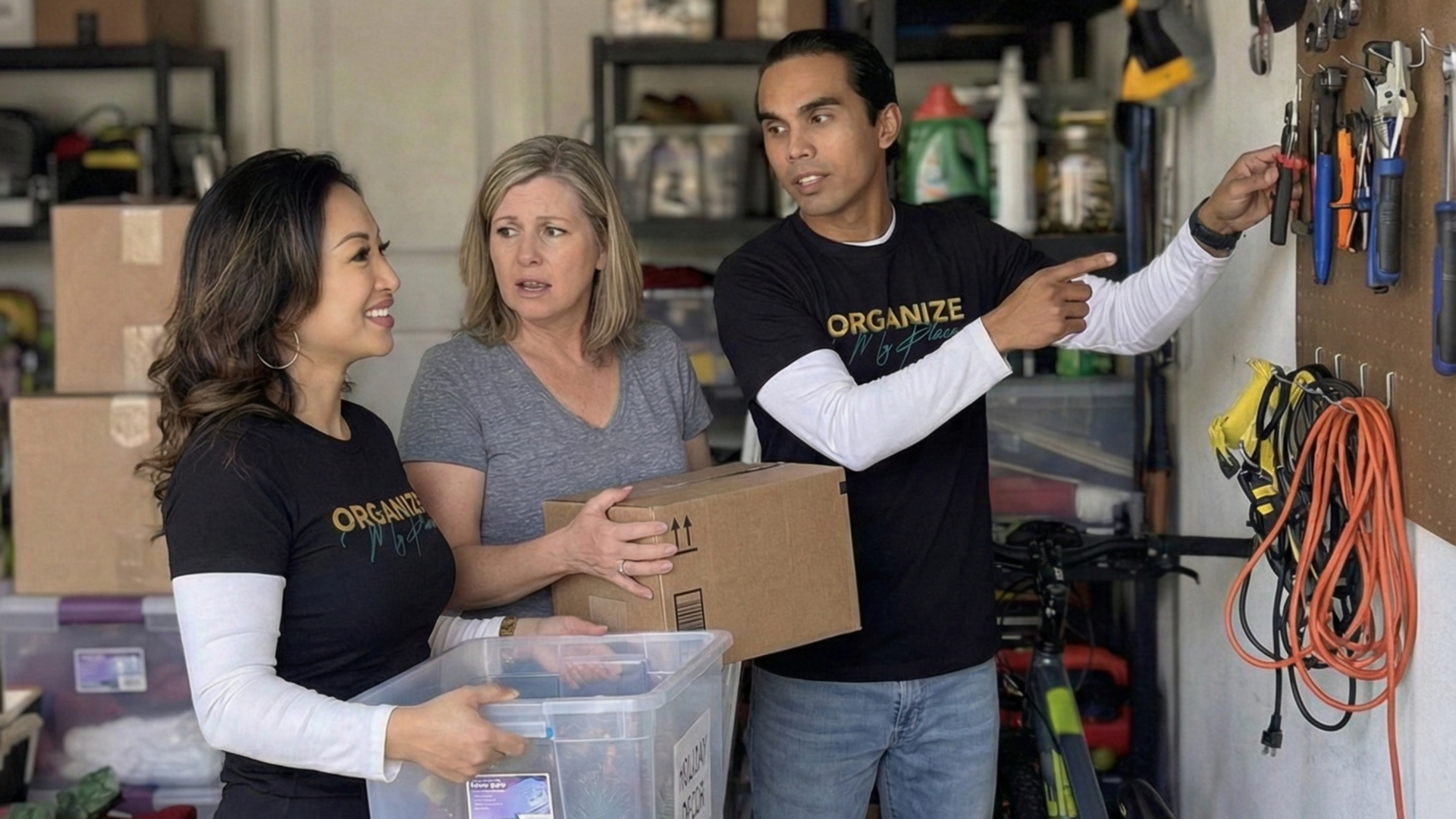
Organization Can Change the Way a Home Feels
The physical benefits of organization are easy to see.
There is more room on the counter. You can find the scissors. The closet isn't overflowing. The garage floor is visible again.
But there is another layer that is harder to measure.
When your surroundings require fewer decisions, everyday life can feel lighter.
You aren't constantly searching.
You don't have to move five things to reach one thing.
You aren't repeatedly reorganizing the same drawer.
You know where something belongs because its location makes sense.
That is one reason the effects of professional organizing can extend beyond aesthetics.
The transformation isn't necessarily about creating a picture-perfect home.
It's about creating a home that supports the life happening inside it.

When Is It Worth Hiring a Professional Organizer?
You don't need to wait until your home is completely overwhelmed.
A professional organizer may be useful when:
- You repeatedly reorganize the same space without solving the underlying problem.
- You have accumulated belongings faster than your storage can handle.
- You are preparing for a move or downsizing.
- A room has become difficult to use.
- Household members can't agree on where things belong.
- You feel overwhelmed by a project and don't know where to begin.
- You have tried organizing systems before and couldn't maintain them.
- You want a more functional home but don't have the time to design and implement the systems yourself.
The important thing is to think beyond the immediate mess.
If you only put everything away, the same problem may return.
If you understand why the clutter keeps happening, you can design a system that addresses the cause.
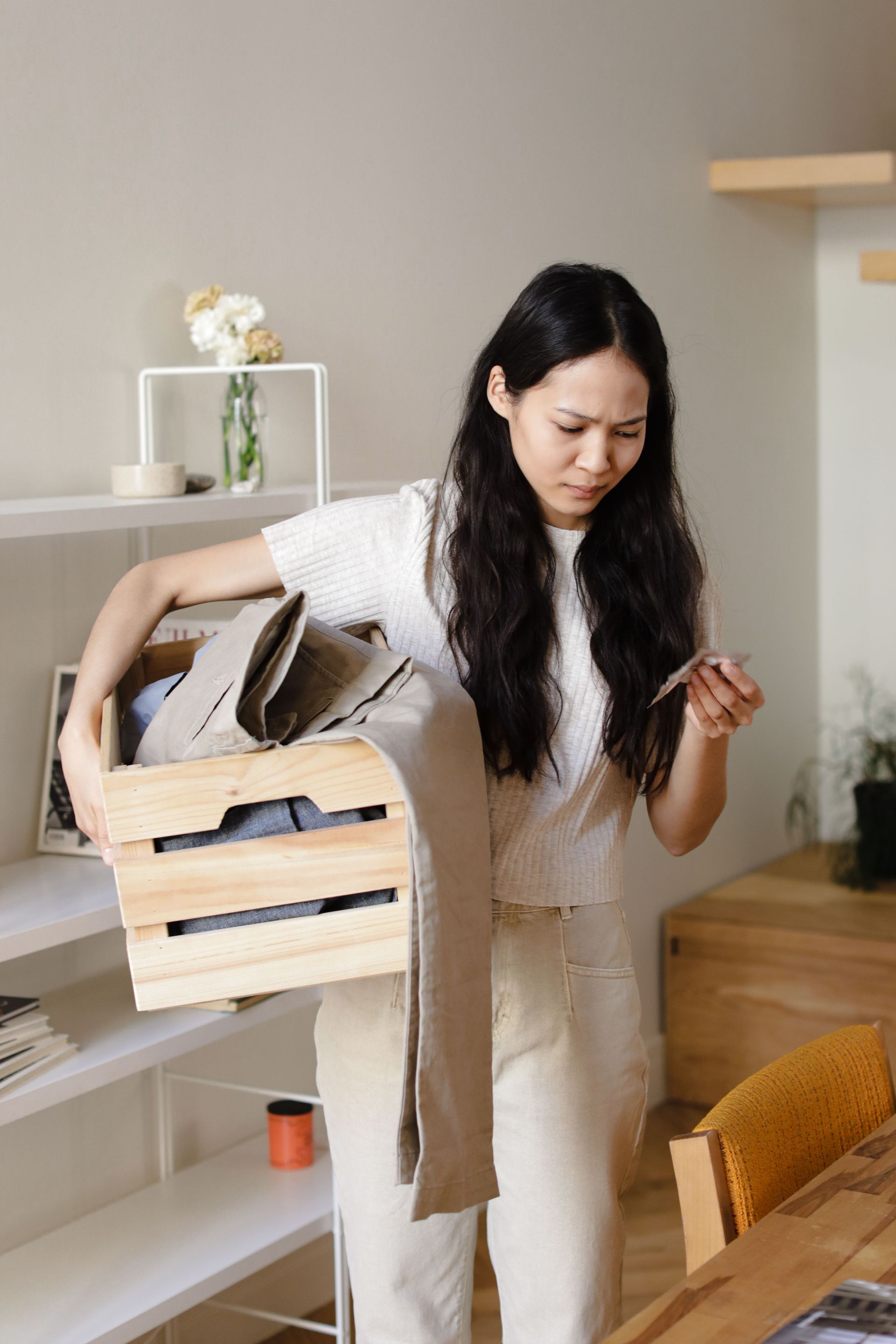
Finding the Right Professional Organizer in San Francisco
If you're considering hiring a professional organizer San Francisco has several factors worth considering beyond simply looking at before-and-after photos.
Ask how the organizer approaches decision-making.
Do they work collaboratively, or do they simply tell clients what to discard?
Do they consider your routines and habits?
Can they work with unusual spaces and different household needs?
Do they focus on creating systems that are realistic to maintain?
And perhaps most importantly, do you feel comfortable with their approach?
Organizing can involve personal belongings, private spaces, and sometimes difficult decisions. Trust and communication matter.
An effective organizer should leave you with more than an attractive room. You should understand why the new system works and how to maintain it.
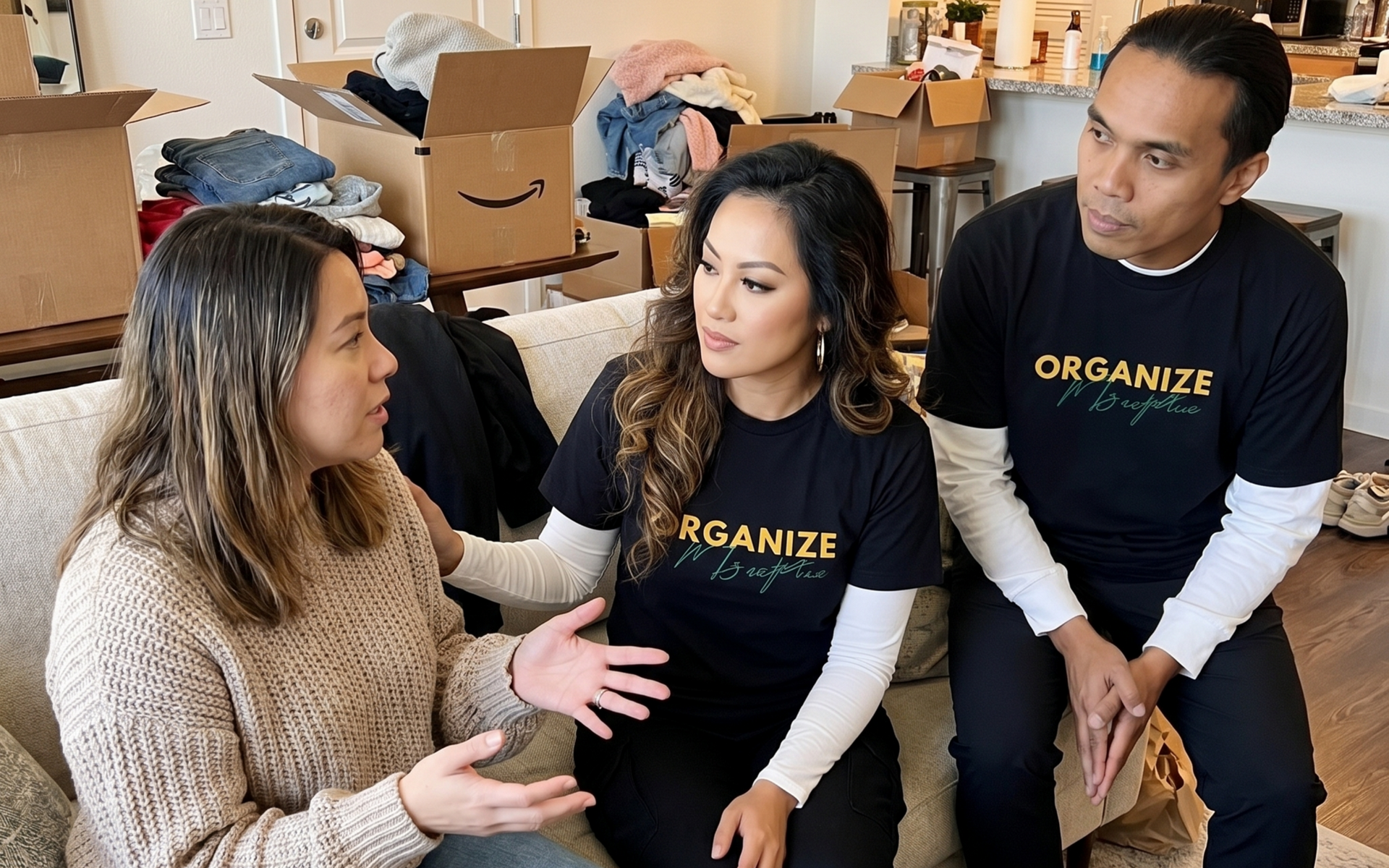
The Real Value of an SF Home Organization Expert
The most valuable result of working with an SF home organization expert isn't necessarily the number of boxes removed from your house.
It's the amount of unnecessary friction removed from your life.
A thoughtfully organized home can make mornings smoother, cooking easier, cleaning simpler, and everyday belongings easier to find.
It can also help you become more intentional about what you own and why you own it.
And perhaps the biggest transformation is psychological: instead of constantly feeling like your home is something you need to "catch up" with, it can start feeling like a space that is working with you.
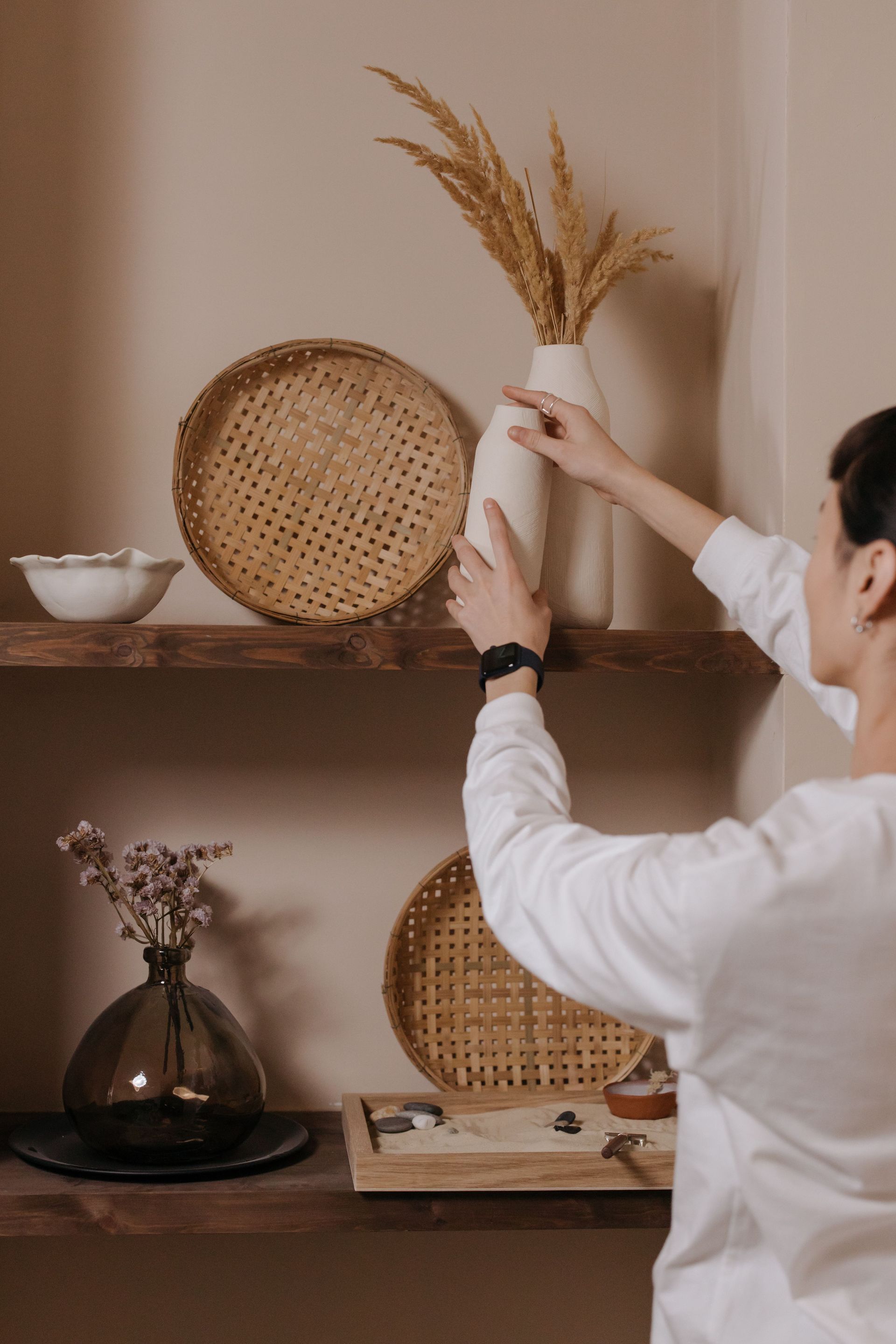
Ready to Make Your Home Work Better?
If one room in your San Francisco or East Bay home has been frustrating you for months, don't feel like you have to tackle the entire house at once.
Start with the space that creates the most daily friction.
Take a look at what's there, notice what isn't working, and consider what would make the room easier to use.
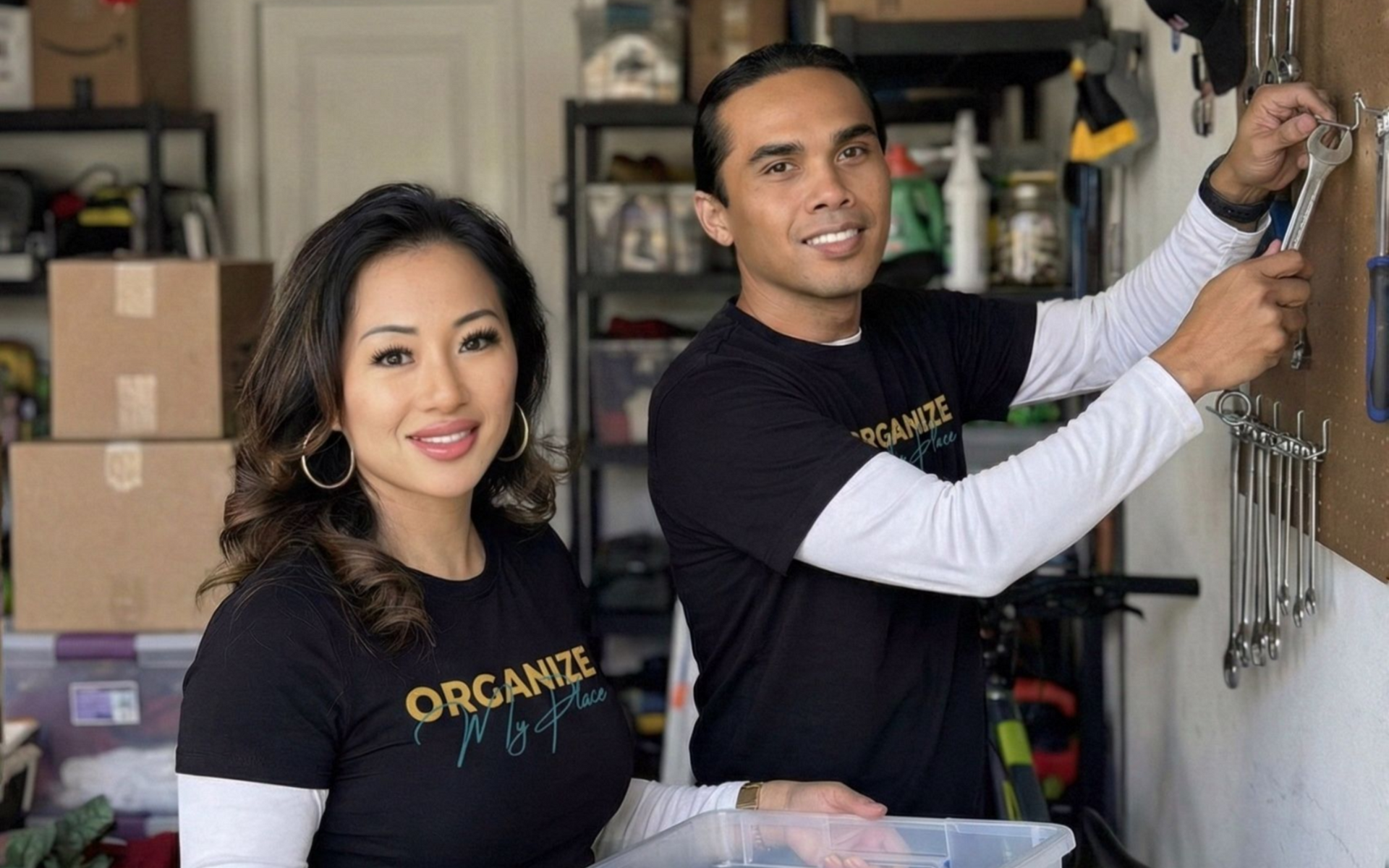
If you would rather have an experienced perspective to help you identify the problem and build a practical system around your household, Organize My Place works with homeowners throughout San Francisco and the East Bay to create functional, sustainable spaces.
Take the first step today: call (530) 407-5275 or visit Organize My Place at organizemyplace.com to start a conversation about the space you'd like to transform.
A more organized home doesn't have to mean a perfect home. It simply needs to work better for you.