How to Dispose of E-Waste and Old Electronics in the San Francisco Bay Are
At Organize My Place, we believe in giving back to our community while being mindful of our environmental footprint. As professional organizers, we see firsthand how much unnecessary clutter can accumulate in homes and offices — and unfortunately, a large percentage of it ends up in landfills.
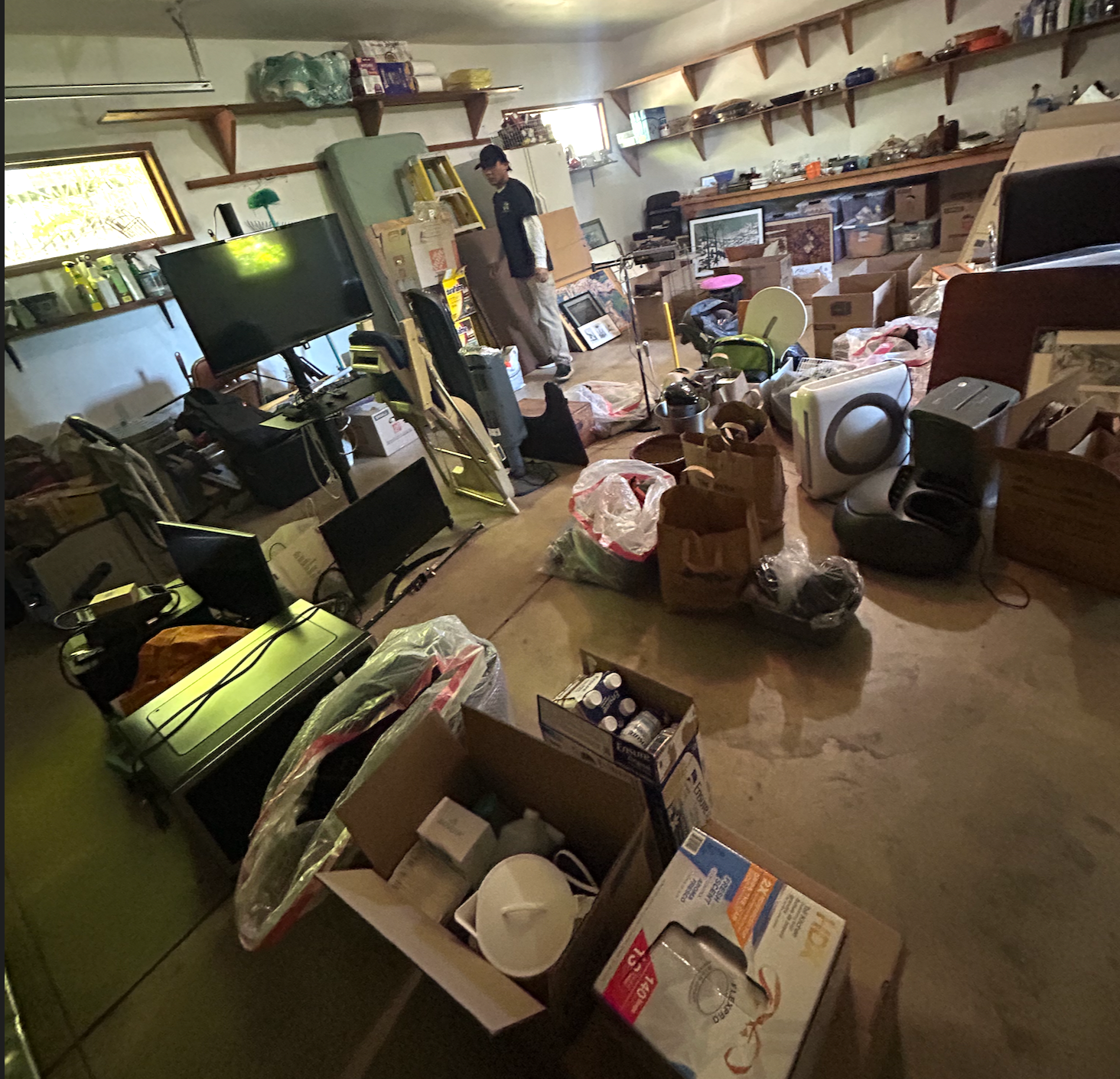
Our mission is to help clients rehome, repurpose, and recycle whenever possible — keeping homes organized, minimizing waste, and creating a positive impact beyond your space. Decluttering regularly, especially before a move, is essential. Moving clutter from one home to another can add extra costs, stress, and time to your relocation.
⚠️ Why You Shouldn’t Throw Electronics in the Trash
Tossing electronics or appliances into the regular trash isn’t just wasteful — it’s dangerous. E-waste contains toxic materials such as lead, mercury, and cadmium, which can leak into the soil and groundwater once they reach landfills. When burned or crushed, these components release harmful fumes and micro-particles that contribute to air pollution and long-term health risks for nearby communities.

Discarded electronics also waste valuable recoverable materials like gold, copper, aluminum, and rare earth metals. Responsible recycling extracts and reuses these materials, reducing the need for environmentally destructive mining. Every phone, tablet, or laptop that’s recycled properly helps conserve resources, protect ecosystems, and reduce the overall environmental impact.
Proper disposal is not only an environmental choice — it’s a community responsibility. Many local recycling programs ensure that devices are safely processed and materials are reintroduced into the economy, creating a positive cycle of reuse instead of waste.
🌎 The U.S. and the Global E-Waste Crisis
The United States is one of the world’s largest producers of e-waste, generating an average of 21 kilograms (46 pounds) per person each year — more than 7 million tons annually. According to ItRecycle (2023), a large portion of this waste is exported overseas, often ending up in developing countries where environmental and safety standards are limited or poorly enforced.
In many of these regions, workers — sometimes including children — dismantle electronics without proper protective gear. They are exposed to toxic heavy metals while the surrounding air, soil, and waterways become contaminated. This unethical dumping shifts the environmental burden to vulnerable communities and fuels a global pollution crisis that affects both human health and biodiversity.
When e-waste isn’t managed properly, it releases carcinogens and hazardous chemicals, contaminates crops and drinking water, and destroys delicate ecosystems. These environmental effects are long-lasting and disproportionately impact low-income areas around the world.
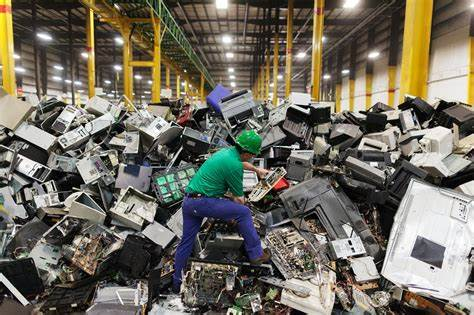
Proper e-waste recycling within the U.S. ensures materials are handled through certified facilities that safely extract valuable components and dispose of hazardous substances according to environmental standards. By choosing to recycle responsibly — or donating still-working appliances and electronics — individuals can help reduce their environmental footprint and contribute to a more ethical, circular economy.
At Organize My Place, we’re committed to helping our clients recycle and donate electronics safely — keeping reusable items in circulation, ensuring toxic waste stays out of landfills, and promoting a cleaner, more sustainable Bay Area for future generations.
⚡ What Is E-Waste?
E-waste (electronic waste) refers to discarded devices with plugs, cords, or batteries — items that can’t safely go in the trash.
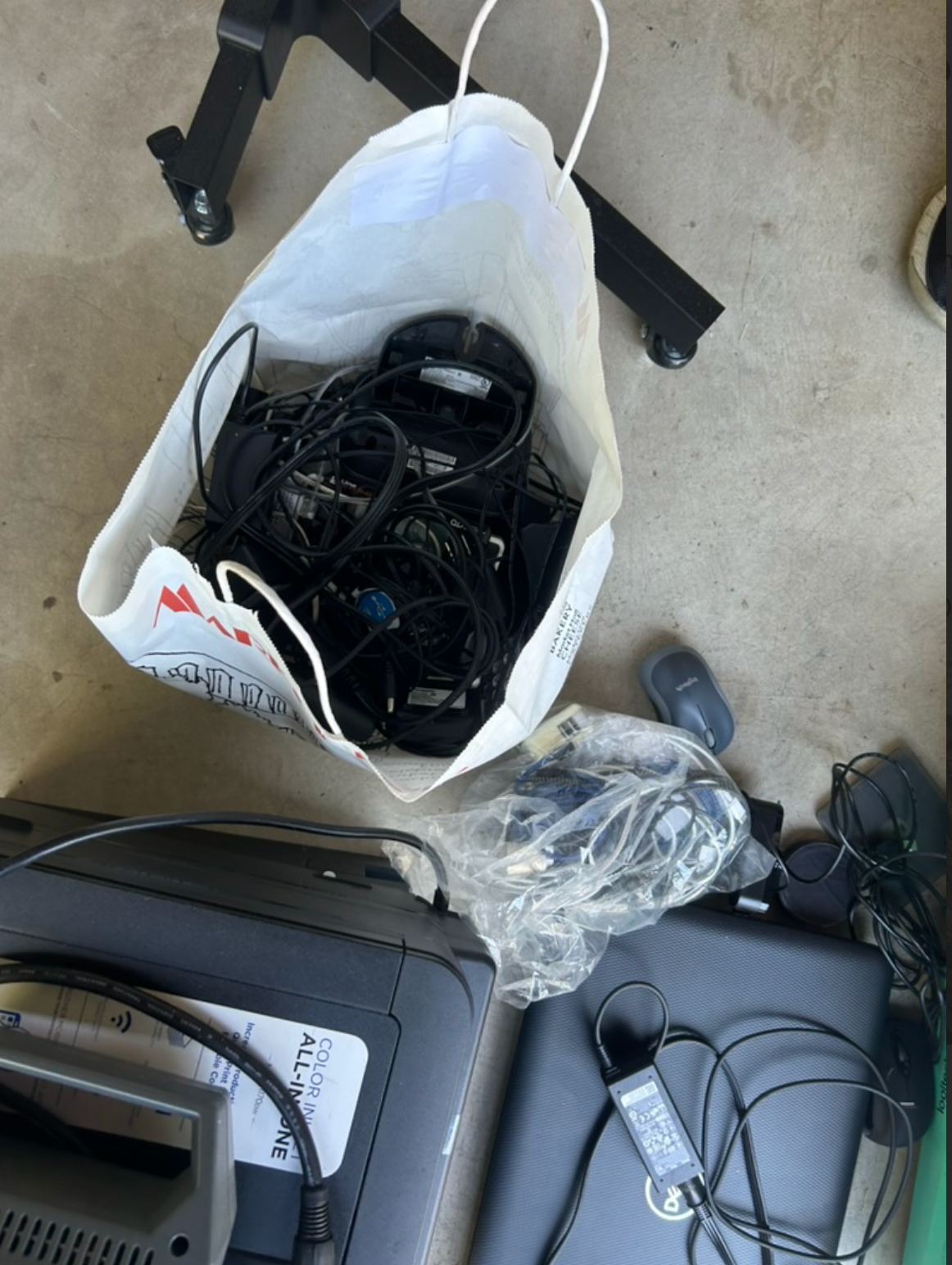
Common examples include:
- Computers, laptops, and monitors
- Phones, tablets, and chargers
- TVs, stereos, DVD players, and consoles
- Small appliances like toasters, coffee makers, and hair dryers
- Batteries, cords, and cables
These contain valuable metals and sometimes hazardous materials like lead or mercury. They should always be recycled through certified e-waste programs.
♻️ For Broken or Obsolete Electronics
If your electronics or appliances are
broken, no longer working, or obsolete, they should be safely recycled through a certified e-waste center. This ensures that metals, plastics, and components are properly recovered and hazardous materials are handled responsibly.
💚 For Working or Reusable Items
If your electronics or appliances are still in good, working condition, we can help you donate them to local thrift stores or nonprofit organizations that specialize in rehoming usable items. Many of these organizations provide tax-deductible donation receipts, allowing you to give back to the community while reducing waste.
🌆 Where to Recycle Electronics in the Bay Area
East Bay & Alameda County
Oakland Household Hazardous Waste Facility
Drop off e-waste, batteries, and paint at 2100 East 7th St., Oakland — free for Alameda County residents.
👉 StopWaste.org
Oakland Recycles – Bulky Junk Pickup
Schedule free curbside or drop-off recycling for TVs, small appliances, and electronics.
👉 OaklandRecycles.com
Modern Waste Solutions – Alameda
Offers e-waste pick-up for homes and businesses, including bulk electronics recycling.
👉 modernwastesolutions.com
San Francisco
SF Transfer Station (Recology)
Drop off up to 30 electronic items per month for free when delivered separately from trash.
👉 Recology.com
Recology Bulky Item Recycling Pickup
Place e-waste in a sealed box labeled “E-Waste” for curbside pickup.
👉 sfenvironment.org
South Bay & Broader Bay Area
Fremont Recycling & Transfer Station
Accepts electronics, batteries, and e-waste as part of Alameda County’s recycling network.
Green E-Waste Recycling Center – Milpitas
Free drop-offs and large-volume pickups for homes, schools, and businesses.
👉
greenewaste.com
💡 Professional Organizer Tip
Before recycling or donating electronics, restore laptops, phones, and tablets to factory settings and ensure they’re free of sensitive information.
Remove hard drives or securely wipe data. Bundle cords, chargers, and accessories neatly — this helps facilities reuse or recycle them efficiently
.
♻️ Decluttering Tip: Think Ahead Before You Move
Before a move, ask yourself:
- Do I use this regularly?
- Would someone else benefit from it more than I do?
- Can it be donated or repurposed instead of stored?
Decluttering early saves money on moving supplies, truck space, and time — and it reduces stress on moving day.
👉
Read next: How to Avoid Wasting Money While Moving
💬 How Organize My Place Can Help
Decluttering can be overwhelming, especially when you’re unsure where things should go. That’s where we come in.
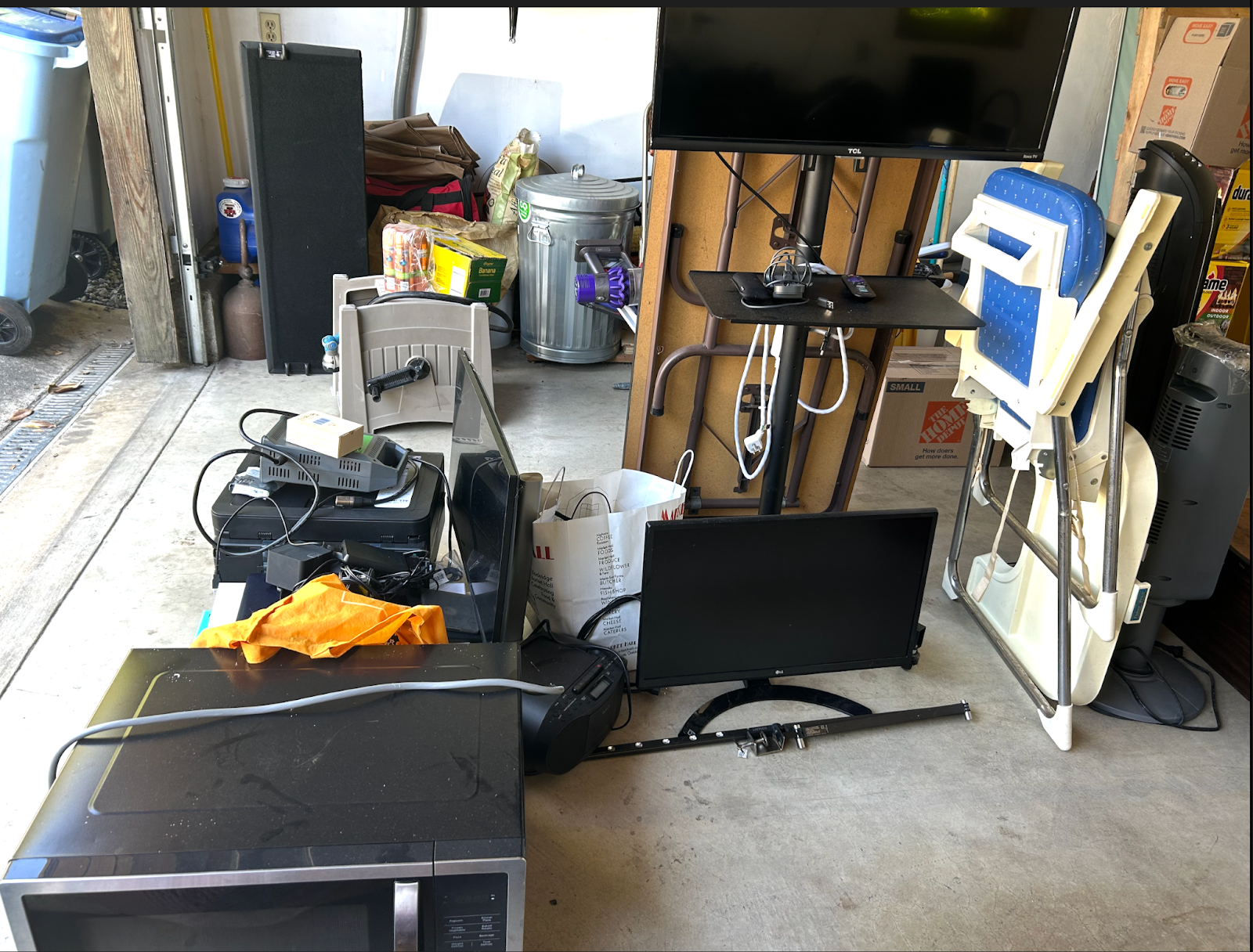
When you work with Organize My Place, we:
- Help you sort and categorize items into keep, donate, recycle, or discard groups.
- Arrange donation drop-offs or pickups with local Bay Area charities.
- Oversee responsible disposal or recycling, so everything ends up in the right place.
- Provide personalized advice for eco-friendly, low-waste decluttering.
- Offer compassionate, judgment-free support every step of the way.
We can also coordinate e-waste pickups and monitor disposal, ensuring your old devices are handled securely and sustainably.
🌎 Together, We Make a Difference
Mindful decluttering doesn’t just create calm, functional spaces — it supports sustainability and community care. By recycling electronics properly, you help protect the environment and give valuable materials a new life.
✨ Ready to Declutter Responsibly?
Let’s make your next organizing or moving project lighter, greener, and stress-free.
📞 Contact Organize My Place today to schedule a consultation — we’ll help you categorize, arrange pickups, and oversee responsible e-waste disposal so nothing useful ends up in the landfill.
📘 FAQ – E-Waste Recycling in the Bay Area
Q1. What counts as e-waste?
E-waste includes electronics with plugs, cords, or batteries — such as TVs, laptops, phones, printers, small appliances, and chargers.
Q2. Can I throw electronics in the regular trash?
No. Electronics often contain toxic materials like lead and mercury. They must be taken to certified e-waste recycling facilities.
Q3. How should I prepare my electronics for recycling?
Back up important data, then restore devices to factory settings or remove hard drives before recycling. Bundle cords and chargers neatly.
Q4. Where can I recycle electronics in the Bay Area?
Try the Oakland Household Hazardous Waste Facility, Recology in San Francisco, or Green E-Waste Recycling Center in Milpitas.
Q5. Does Organize My Place help with e-waste disposal?
Yes — we help clients declutter, arrange pickups, and oversee proper recycling or donation of electronics and appliances.

Jess Hartono and Ari Arianom, founders of
Organize My Place, are a husband-and-wife professional organizing team based in the
East Bay, helping families, seniors, and busy professionals create calm, clutter-free spaces. Their services include
home organizing, pre-move decluttering, packing and unpacking,
business organization, hoarding and helping ADHD and neurodivergent people and hoarders.
Reach out at jess@organizemyplace.com or call 530 407 5275 or book a call back here to learn more.
Proudly Serving:
Oakland | Berkeley | Walnut Creek | Lafayette | Orinda | Moraga | Alameda | Piedmont | Danville | San Ramon | Pleasant Hill | Concord | San Leandro | and surrounding East Bay communities, I San Francisco, I South Bay and Peninsula.