Compassionate Support for Severe Clutter & Hoarding Challenges
Thoughtful, non-judgmental help for individuals and families navigating severe clutter, hoarding, downsizing, and safety related home transitions. This is not a junk clear-out. We take a careful, respectful approach that prioritizes safety, dignity, and thoughtful decision-making.

If you or someone you love is living with severe clutter or hoarding-related challenges, you are not alone — and there is no shame in reaching out for support.
A gentle note:
This page discusses severe clutter, life transitions, and situations that can feel overwhelming. If this is personal for you or your family, please know you’re not alone — and you can move through this at your own pace.
Hoarding disorder is more common than many people realize. The International OCD Foundation estimates that it affects about
2%–6% of the population, which means millions of people and families are impacted.
For some people, clutter builds slowly over time. For others, it escalates during grief, trauma, burnout, illness, major life changes, aging, or after years of trying to manage alone. What may look overwhelming from the outside is often tied to much deeper factors underneath the surface.
Our role is to meet people with compassion, structure, and practical help.
Not a “clean-out.”
A careful, respectful process.
Many services in this space focus only on hauling things away.
That is not our approach.
We understand that severe clutter and hoarding situations are often emotional, layered, and deeply personal. This work is not just about removing items. It is about helping restore function, safety, dignity, and peace of mind in a way that feels respectful and humane.
We use a thoughtful sorting and organizing process to help identify:
- What needs to stay
- What can be relocated or reorganized
- What may be donated or responsibly rehomed
- What may be sold
- What is ready to be discarded
We can also help coordinate hauling when needed, but hauling is only one part of the process — not the whole service.


How homes can become overwhelming.
Severe clutter and hoarding situations do not happen because someone is lazy or careless.
Often, the reasons are cumulative and complex. They can include:
- Difficulty making decisions about what to keep or let go of
- Strong emotional attachment to belongings
- Acquiring habits that outpace the ability to sort and manage
- Trauma, grief, loss, depression, anxiety, ADHD, or executive functioning challenges
- Physical health limitations, injury, chronic pain, or aging
- Life simply getting away from someone over time
The
Buried in Treasures workbook is one of the best-known evidence-based self-help resources for hoarding, and it helps explain that hoarding behaviors are often connected to difficulty discarding, acquiring, avoidance, emotional attachment, and patterns that build over time, rather than to a single, simple cause.
That is why shame and pressure usually do not help.
What helps is compassionate support, readiness, structure, and the right pace.
What you see is only part of the story.

Hoarding iceberg image source: Blue Peer Support Resources, “Clutter and Hoarding Behavior resources.”
What people see on the surface is often the visible clutter.
What they do not see may include trauma, family history, executive functioning challenges, physical health, mental health, memory concerns, and years of accumulated stress.
That is why our approach is grounded in compassion. We understand that the visible condition of a home is often only one part of a much bigger picture. The “iceberg” idea is also reflected in peer-support education on hoarding, where the clutter is the visible part and much of the struggle occurs beneath the surface.
Common reasons families reach out
Families usually contact us when the situation is starting to affect daily life, safety, or a major transition.
That might include:
- Preparing for a move or downsizing
- Helping an older adult stay safe at home
- Creating access for walkers, wheelchairs, or medical equipment
- Restoring safe pathways and usable rooms
- Preparing a home for sale
- Supporting a loved one after illness, grief, or major change
- Reducing overwhelm and creating a more functional home
Sometimes the goal is not “perfect.”
Sometimes the goal is simply to make the home safer, more usable, and less overwhelming.
That matters.

Our approach is compassionate, structured, and collaborative
We are professional organizers,
not a trauma-blind clean-out crew.
What makes our approach different:
- We sort thoughtfully rather than rushing straight to disposal
- We aim to preserve dignity and reduce shame
- We focus on safety, usability, and realistic progress
- We support life transitions, not just “stuff removal.”
- We help families create a practical plan instead of reacting in crisis
- We can coordinate donations, responsible disposal, and hauling when appropriate
- We understand that readiness matters
We currently work with homes
up to Level 4 using the
ICD Clutter–Hoarding Scale as one of the practical tools that helps professionals assess environmental severity, function, and safety in a home. The scale is an observational guideline, not a psychiatric diagnosis.

Real-Life Situations We Support
Every home and every situation is different.
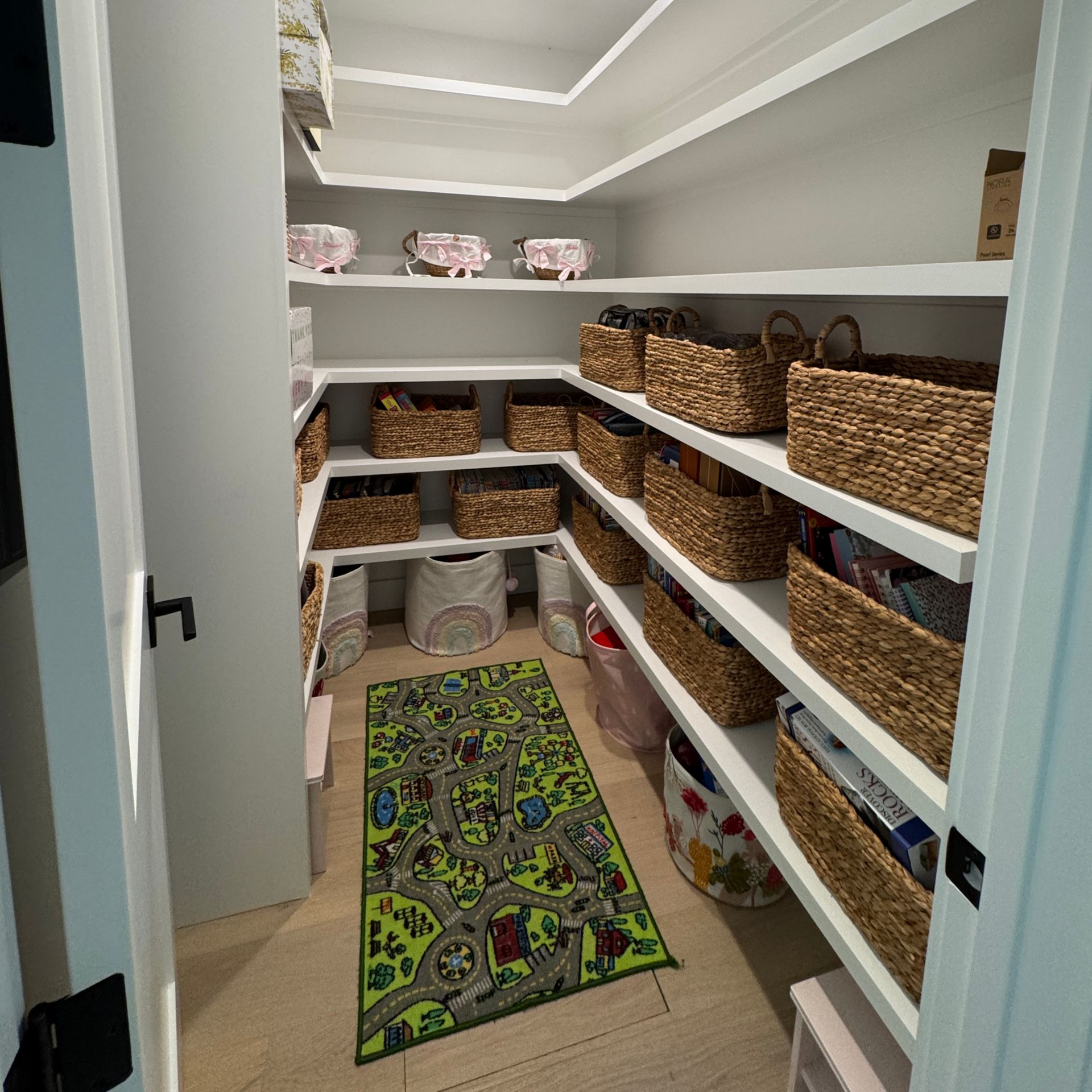
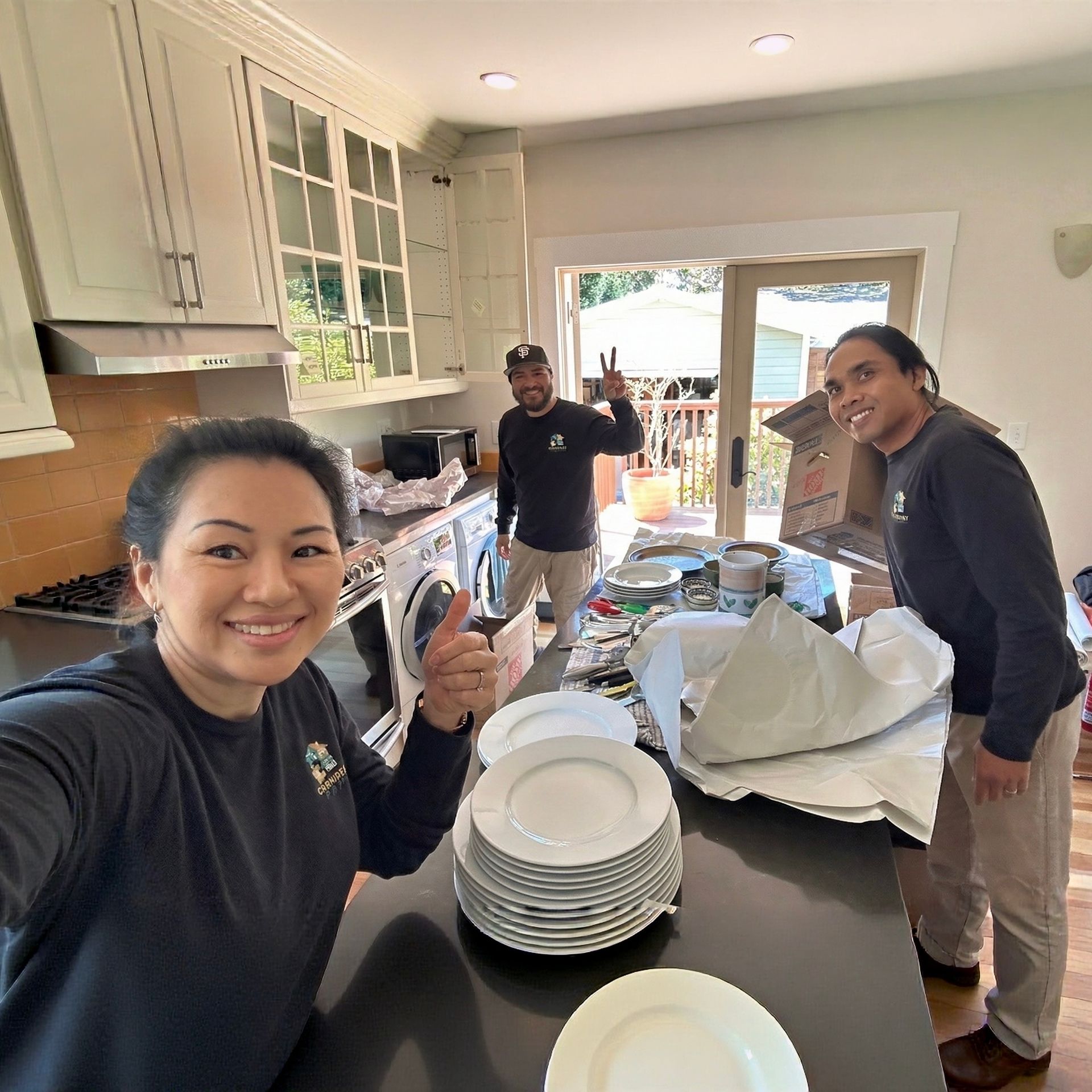
Here are a few examples of how we’ve supported clients and families:
Downsizing For A Transition
We helped a family thoughtfully sort and reduce belongings in preparation for a move, ensuring meaningful items were preserved while creating a manageable next chapter.
Improving Safety In The Home
We worked with a client to clear pathways, reduce fall risks, and make space for daily living and mobility — helping restore a safer, more functional environment.
Clearing A Garage And Storage Areas
We supported a client in working through a full garage and storage clear-out, organizing what remained and coordinating donation and removal where appropriate.
Preparing A Home For Sale
We partnered with a family to reduce volume and create a more presentable, accessible space ahead of listing.

We recommend starting with
an on-site assessment
Because every situation is different, we strongly recommend beginning with a cost and obligation-free
on-site visit.
This helps us understand:
- The level of clutter and safety concerns
- The goals for the home
- Who is involved in decision-making
- Whether the client is ready for hands-on organizing support
- Whether additional emotional, family, or mental health support would be helpful alongside the project

This work goes best when there is enough support around the person — especially in more complex cases.
We might recommend involving:
- A family member
- An adult child
- A spouse or partner
- A case manager
- A therapist or support professional
- A trusted decision-maker who can stay engaged

Supportive,
but not clinical care
We are not licensed psychologists, therapists, or medical providers.
Our work is practical, hands-on organizing support. In some situations, additional mental health support may be important, especially where trauma, depression, anxiety, grief, compulsive acquiring, or significant emotional distress are present.
When appropriate, we may suggest that clients or families also work alongside:
- A therapist familiar with a hoarding disorder
- A hoarding support group
- A peer support program
- A local task force or community resource
This kind of collaborative support is often the most effective path forward. IOCDF specifically provides directories for therapists, clinics, support groups, and community hoarding task forces.
Additional support resources
If you or your loved one needs more support,
these may be helpful:
International OCD Foundation (IOCDF) – Hoarding Resource Directory
Find treatment providers, support groups, task forces, and educational resources.
Buried in Treasures
A widely used evidence-based workbook and group model for people working through hoarding-related challenges.
Clutterers Anonymous
A free 12-step support option for people struggling with clutter. Blue Peer Support lists it among national resources.
SAMHSA / 988
If someone is in emotional crisis or needs urgent mental health support, 988 and SAMHSA’s help-finding resources are important starting points.
Blue Peer Support Resources — Clutter & Hoarding Support
View Resource List
We’re also happy to help point you toward appropriate local resources based on your situation.
Frequently Asked Questions
01. Do you just remove everything quickly?
No. We are not a bulk junk-removal service. We sort carefully, create a plan, and support thoughtful decisions wherever possible.
02. Do you work with seniors or families helping a parent?
Yes. Many families call us when an older adult needs a safer, more functional home or is facing a move, downsizing, or increased care needs.
03. Do you offer hauling, too?
We can help coordinate hauling and disposal where appropriate, but our work is centered on sorting, organizing, and thoughtful decision-making first.
04. Do I need family support involved?
Not always, but in many situations it helps. Having a consistent support person can make the process smoother and more sustainable.
05. Are you therapists?
No. We provide organizing support, not psychotherapy or medical treatment. Where needed, we recommend pairing organizing support with clinical or peer support resources.
06. What severity level do you work with?
We currently work with homes up to Level 4, depending on the specifics of the project, safety conditions, and readiness.
Ready to take the next step — without judgment?
If you or your loved one is dealing with severe clutter or hoarding-related challenges,
we’re here to help with a compassionate, thoughtful approach.
Our goal is not to shame, pressure, or rush.
Our goal is to help restore
safety, dignity, function, and forward movement.
Book an On-Site Assessment
Contact Us to Talk Through Your Situation.